
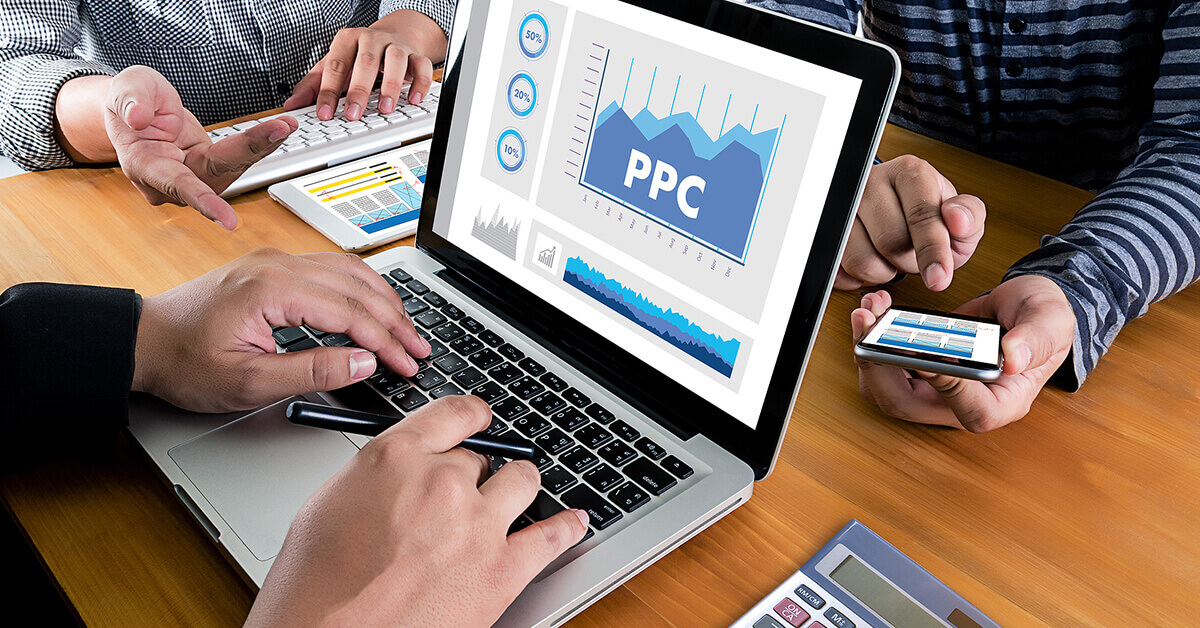
In a competitive digital landscape, businesses need marketing channels that can connect them with prospective customers at the moment those customers are searching, comparing options, or ready to take action. Pay-per-click (PPC) advertising is one of the most measurable ways to create that connection.
PPC gives businesses control over targeting, budgets, messaging, and conversion goals while providing performance data that can be used to improve campaigns over time. For local businesses, professional practices, B2B companies, and national brands, a well-managed PPC program can become an important component of a broader lead-generation strategy.
Understanding the Fundamentals of PPC Advertising
PPC is an online advertising model in which advertisers pay when a user clicks an ad or, on some platforms and campaign types, when another defined advertising action occurs. Search advertising is commonly associated with platforms such as Google Ads and Microsoft Advertising, where ads can appear in response to queries related to a company’s products or services.
Paid search can help businesses reach people demonstrating clear intent. Other PPC channels, including social media marketing, can help businesses create demand, re-engage audiences, or reach prospects based on demographic and behavioral signals.
A PPC strategy can allow businesses to:
- Appear prominently for commercially relevant searches
- Target audiences by keyword, geography, device, schedule, demographics, and other signals
- Set and adjust campaign budgets
- Measure clicks, conversions, cost per lead, and other performance indicators
- Test advertising messages and landing-page experiences
Why PPC Works So Well for Lead Generation
1. PPC Can Create Visibility Quickly
Unlike search engine optimization (SEO), which is generally a longer-term strategy, PPC can begin generating targeted visibility soon after a campaign is approved and launched. That makes paid search useful for new services, competitive markets, seasonal campaigns, promotions, or businesses that need to build a lead pipeline while organic visibility develops.
SEO and PPC should not be treated as competitors. Search-query and conversion data from paid campaigns can inform organic content priorities, while strong organic visibility can complement paid exposure across the customer journey.
2. Precision Targeting Helps Reduce Wasted Reach
PPC platforms allow advertisers to focus on audiences that are more likely to matter to the business. Search campaigns can target keywords that indicate specific needs, while geographic targeting can concentrate spending in actual service areas. Device, schedule, audience, and demographic settings can add further control where appropriate.
For location-based companies, PPC targeting can work alongside a strong local SEO strategy to build visibility for users searching within relevant cities and service areas.
3. Search Ads Can Capture High-Intent Demand
A person searching for terms such as “emergency plumber near me,” “commercial HVAC contractor,” or “PPC agency near me” is often expressing a specific need. PPC enables businesses to compete for those high-intent searches and send prospects to a page designed around the service or offer they requested.
This alignment among search intent, keyword, ad message, and landing page is critical. Driving traffic is not enough; the experience after the click must make the next action clear.
4. Businesses Maintain Direct Budget Control
Advertisers can set campaign budgets and adjust spending based on priorities and performance. However, effective budget management requires more than choosing a daily limit. Businesses should consider customer value, expected conversion rate, competitive cost per click, target cost per acquisition, geography, and campaign objectives.
For a deeper planning framework, see Maxeemize’s guide to setting and managing PPC budgets, which covers objectives, budget allocation, targeting, and ongoing optimization.
5. PPC Performance Is Highly Measurable
PPC provides detailed performance data that can help marketers understand what happens from impression through conversion. Common metrics include click-through rate (CTR), cost per click (CPC), conversion rate, cost per acquisition (CPA), impression share, and return on ad spend (ROAS).
The most useful metric depends on the business goal. Lead-generation campaigns should look beyond clicks and consider qualified leads, booked appointments, sales opportunities, revenue, and lead quality whenever those outcomes can be measured reliably.
6. Testing Creates a Continuous Optimization Loop
PPC makes structured testing possible. Advertisers can compare messaging, offers, calls to action, audience segments, keywords, and landing-page approaches. Over time, this creates a feedback loop in which real customer behavior helps refine campaign decisions.
Testing should focus on meaningful variables and sufficient data rather than making frequent changes based on small fluctuations.
The Landing Page Is Part of the PPC Campaign
A strong advertisement can still underperform when the destination page is slow, confusing, generic, or poorly matched to the user’s search. Effective PPC therefore depends on both campaign management and the quality of the website experience.
A conversion-focused responsive website should make the value proposition easy to understand, load efficiently on mobile devices, reinforce the message in the ad, and provide a clear next step such as calling, requesting a quote, booking an appointment, or submitting a form.
For important campaigns, dedicated landing pages can improve message continuity by matching the user’s keyword and ad intent with a focused offer rather than sending every visitor to the homepage.
How PPC Supports SEO, Content, and AI Search Strategy
PPC should not operate in a silo. Search-query reports and conversion data can reveal the terminology prospects use, the problems they are trying to solve, and the offers that motivate action. Those insights can help shape content marketing and organic search priorities.
Likewise, an AI-aware content strategy benefits from clear entities, well-organized topics, direct answers, and strong relationships among services, locations, expertise, and supporting content. PPC does not directly create organic or AI-answer visibility, but the first-party performance insights generated by paid campaigns can help marketers identify high-value questions, commercial intent, and audience language worth addressing in content.
This creates a useful cycle: paid search identifies demand and conversion patterns; SEO and content build durable informational and organic assets; and those assets can support stronger landing pages and remarketing audiences.
PPC for Local and Orange County Businesses
For businesses serving defined geographic markets, PPC can be especially useful because campaigns can concentrate budget around relevant locations and service areas. Geographic targeting should reflect where the business can actually serve customers rather than simply targeting every nearby city.
Maxeemize’s broader Orange County digital marketing approach connects paid advertising with SEO, content, website experience, and other channels. For businesses serving Irvine, Lake Forest, Mission Viejo, Laguna Beach, Newport Beach, Rancho Santa Margarita, and other Orange County communities, this integrated structure can make the relationship among brand, service, audience, and geography clearer across the website.
For GEO and AEO, explicitly describing legitimate service areas and the services available within them can strengthen entity and geographic context. These practices do not guarantee placement in AI-generated answers, but they make business information easier for systems and users to interpret.
How Maxeemize Approaches PPC Management
Maxeemize provides PPC advertising services for businesses that need strategic campaign planning and ongoing management. A complete PPC program may include:
- Keyword and competitive research
- Campaign and account structure
- Ad copy and creative development
- Audience and geographic targeting
- Conversion tracking
- Bid and budget management
- Landing-page recommendations
- Ongoing testing, reporting, and optimization
The objective is not simply to buy more clicks. Effective PPC management connects advertising spend to business goals and continually evaluates which campaigns, queries, audiences, locations, and offers are producing useful outcomes.
Choosing the Right PPC Partner
A PPC partner should understand more than platform mechanics. The agency should be able to connect campaign decisions to the client’s market, sales process, website, competitive environment, and broader digital strategy.
When evaluating a PPC agency, ask how it approaches conversion tracking, lead quality, budget allocation, search-term analysis, landing pages, reporting, testing, and integration with SEO and other marketing channels. Clear reporting should explain not only what happened, but what the team recommends doing next and why.
Frequently Asked Questions About PPC Advertising
What is PPC advertising?
PPC is a digital advertising model that allows businesses to pay for traffic or defined advertising interactions. Search PPC commonly places ads in front of users searching for relevant keywords.
Why is PPC effective for lead generation?
PPC can reach users with strong commercial intent, offers precise targeting, provides direct budget control, and produces measurable performance data that can be optimized over time.
How quickly can PPC generate leads?
Campaigns can begin creating visibility after launch, but lead volume and quality depend on factors such as demand, competition, budget, targeting, ad relevance, landing-page quality, and conversion tracking.
How much should a business spend on PPC?
There is no universal budget. A useful starting point considers customer value, conversion rates, target acquisition cost, keyword costs, geography, and the number of leads required. Budgets should then be adjusted using actual performance data.
Should businesses use PPC and SEO together?
Often, yes. PPC can capture immediate demand and generate search and conversion insights, while SEO builds longer-term organic visibility. Used together, the channels can provide complementary coverage.
Does PPC help GEO or AEO?
PPC does not directly guarantee organic rankings or inclusion in AI answers. However, campaign data can reveal high-value queries, customer language, locations, and questions that can inform stronger SEO, content, AEO, and GEO strategies.
Turn Paid Search Into a Sustainable Lead-Generation System
PPC is most effective when it is treated as a measurable business system rather than a source of isolated clicks. Strong targeting, relevant messaging, controlled budgets, accurate conversion tracking, effective landing pages, and ongoing optimization all work together to improve lead-generation efficiency.
For businesses that want to combine paid search with SEO, content, website optimization, and geographic marketing, Maxeemize can develop an integrated strategy around the channels that best fit the business’s goals.
Contact Maxeemize for a complimentary consultation about PPC advertising and lead-generation opportunities.
